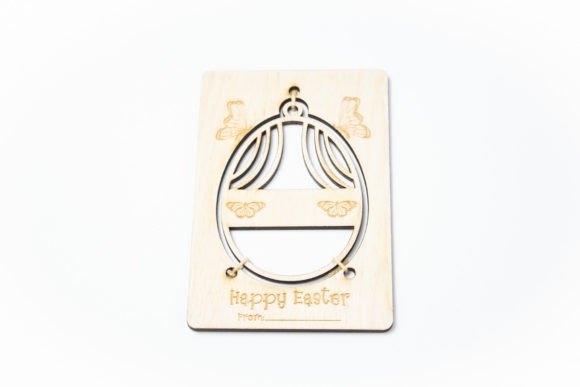
Easter Card Egg with Butterfly: A Designer's Review
As a professional embroidery digitizer and product reviewer, I approach every new design asset with a critical eye. When evaluating the Easter Card - Egg with Butterfly, my first thought is not just about the aesthetic appeal of the holiday theme, but how this specific artwork translates from a digital screen to physical thread. This design arrives as a 3D SVG template, accompanied by EPS and DXF formats, plus a PDF instruction guide. For makers and small business owners, understanding the bridge between this vector file and a finished machine embroidery design is where the real value lies. The mood of this piece is undeniably soft and nostalgic, evoking traditional springtime sentiments, but its utility depends entirely on execution.
Translating Vector Art to Stitched Reality
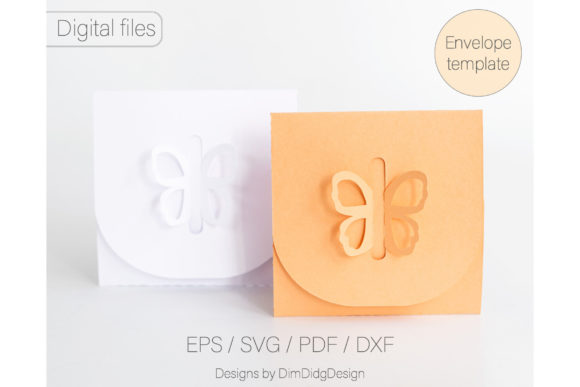
The initial impression of the Easter Card - Egg with Butterfly is one of delicate balance. The composition features an egg motif paired with a butterfly, suggesting movement and fragility. As a designer, I immediately assess the line weight and negative space. In a 3D SVG format, the layers are distinct, which is excellent for planning applique design elements or layered fabric techniques. However, vectors do not have stitch density. Before loading this into your embroidery software, you must determine if the butterfly’s wings can support detailed satin stitch borders or if they require a lighter fill stitch to prevent fabric puckering.
For those creating digital embroidery file conversions, this template offers a clean foundation. The separation of the egg and the butterfly allows for flexible color blocking. I appreciate that the download includes detailed instructions, as this reduces the guesswork for hobbyists transitioning into commercial production. The visual personality here is gentle, making it ideal for projects that require a touch of elegance without overwhelming the base material. It feels less like a cartoon and more like a boutique illustration, which significantly elevates the perceived value of the final handmade product.
Real-World Application: The Linen Tea Towel Test
To truly judge this design, I mentally placed it in a real-life production scenario. Imagine preparing a batch of premium linen tea towels for an Etsy seller shop update. Linen has a distinct fabric texture that can swallow fine details. In this context, the Easter Card - Egg with Butterfly serves as a perfect centerpiece because its shapes are defined enough to hold up against the weave of the linen.
I envision stitching the egg in a soft cream thread using a matte finish to mimic natural shell texture, while the butterfly utilizes a variegated thread to add organic depth. Because this is intended as a personalized gift or retail item, the placement matters. Centering the design about four inches above the hem creates a balanced look that respects the towel's function. If I were offering custom apparel instead, such as a lightweight sweatshirt, I would scale the design down for a pocket-sized accent. The versatility of the 3D SVG means I can adjust the scale without losing edge integrity, provided I re-digitize the stitches to match the new size. This adaptability is crucial for small shop product lines where inventory variety drives sales.
Navigating Fabric Limitations and Hoop Constraints
While the design is versatile, it demands respect for technical limitations. I would exercise extreme caution when applying the Easter Card - Egg with Butterfly to stretchy knits or performance fabrics often used in modern sweatshirt embroidery. The combination of an egg shape and butterfly wings likely involves curved satin columns. On unstable fabric, these curves can distort or tunnel without aggressive stabilization. Always pair this design with a high-quality cut-away stabilizer and consider a water-soluble topping to keep the stitches crisp on textured surfaces.
Hoop size is another practical consideration. If you are working with a standard 4x4 hoop, ensure the design fits comfortably within the safe stitching area, leaving room for the presser foot. Crowding the hoop leads to registration errors, which would ruin the alignment between the egg and the butterfly. For baby embroidery projects, such as onesies or bibs, the design must be resized carefully. Reducing the size too much may cause the butterfly’s antennae or wing details to become dense thread clumps. In such cases, simplifying the embroidery project by removing tiny interior details is better than risking a stiff, uncomfortable result on infant wear. Dark fabrics also present a challenge; ensure your thread colors provide sufficient contrast, or use a white underlay base to make pastels pop against navy or charcoal backgrounds.
Commercial Viability and Brand Consistency
For creative entrepreneurs, the question is always whether a design will sell. The Easter Card - Egg with Butterfly possesses strong commercial potential because it avoids overly juvenile styling. It fits seamlessly into holiday embroidery collections targeting adults who want seasonal decor that matches their home aesthetic. Whether used on a tote bag design for a spring market or as an embroidered patch for denim jackets, the artwork communicates quality.
However, brand consistency is key. If your shop specializes in bold, high-contrast streetwear, this delicate design might feel out of place. Conversely, for sellers focusing on cottagecore, nursery decor, or vintage-inspired goods, this asset is a natural fit. When listing items online, use the included vector files to create clean printable mockup previews. Customers trust listings that show clear, professional representations of the art. Just remember to verify the licensing terms included in your download before selling finished items or distributing modified design assets. Protecting your business starts with respecting intellectual property.
Essential Pre-Stitch Checklist for Makers
Before committing this beautiful template to your final finished product, run through this practical checklist to ensure professional results:
- Test on Scrap Fabric: Never stitch directly on your final garment first. Use a scrap of the exact same material and stabilizer combination to check for puckering or registration issues.
- Verify Stitch Density: Since this originates as a 3D SVG, confirm that your digitizing settings have appropriate density for the chosen fabric. Too dense causes holes; too sparse looks cheap.
- Check Thread Contrast: View your thread selection in both natural and artificial light. Easter pastels can look washed out under indoor lighting.
- Inspect Small Details: Zoom in on the butterfly wings in your embroidery software. Ensure there are no jump stitches crossing open areas that should be trimmed.
- Confirm Hoop Compatibility: Measure the actual stitch field dimensions, not just the bounding box, to ensure safety margins are maintained.
- Review Washability: If making kitchen towels or baby items, test wash a sample to ensure the running stitch outlines do not fray after laundering.
- Validate Licensing: Re-read the PDF instructions regarding commercial embroidery rights to ensure your intended use case is permitted.
The Easter Card - Egg with Butterfly is more than just a seasonal graphic; it is a test of your finishing skills. By treating this 3D SVG template with the technical rigor it deserves, you transform a digital download into a tangible heirloom. Whether you are an experienced digitizer or a budding craft business owner, success lies in the details. Take the time to understand the interaction between the vector lines and your needle, and this design will undoubtedly become a staple in your spring collection.