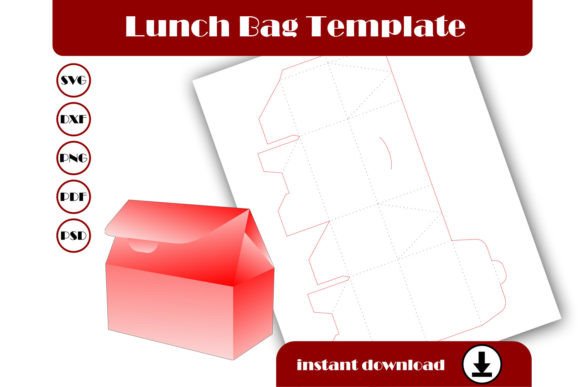
Lunch Bag Template: 3D SVG for Gift Boxes
First Impressions: Assessing Structural Integrity for Client Packaging
When evaluating a new graphic design asset for a client project, my primary concern is always versatility and structural reliability. Recently, while developing a cohesive unboxing experience for a boutique bakery client, I needed a packaging solution that felt handmade yet professional. This is where the Lunch Bag Template, Paper Bag Template entered my workflow. My initial assessment focused on whether this asset could bridge the gap between digital mockups and physical production. Unlike decorative clipart, this is a functional construction tool. The mood it establishes is inherently tactile and nostalgic, evoking feelings of care and artisanal quality that are essential for small business branding.
For designers working in the creative marketplace, finding a blank canvas that respects standard manufacturing constraints is rare. This specific lunch bag template 8.5×11 sheet printable format immediately signaled practical utility. It fits standard home printers and cutting mats without requiring complex tiling or resizing. In a real-world scenario, this reduces friction significantly. When I opened the files, the absence of pre-placed logos or images was a major positive. It confirmed that this is a true commercial design foundation rather than a restrictive stock photo, allowing for complete customization to match specific brand identity guidelines.
Real-World Application: From Digital Concept to Physical Unboxing
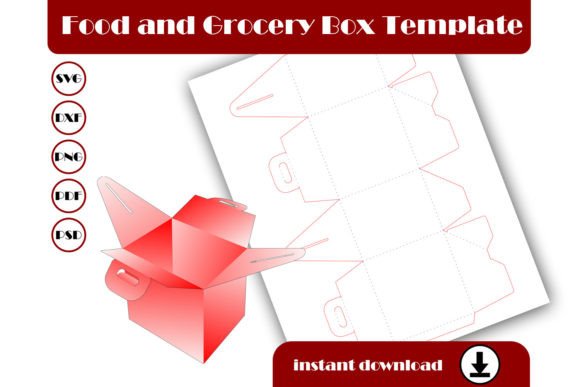
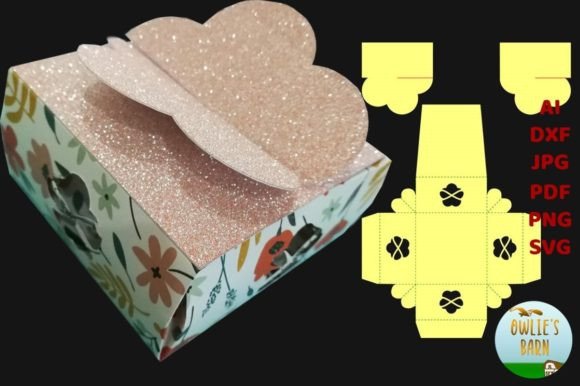
In my recent project for an artisanal cookie brand, we needed to elevate the perceived value of their products without increasing packaging costs exponentially. The Lunch Bag Template, Paper Bag Template served as the centerpiece for this strategy. Because it includes both a .PSD file for Photoshop and a .SVG file for cutting, it seamlessly integrated into a hybrid workflow. I used the PSD to create high-fidelity product mockups for the client’s approval phase, applying texture overlays and brand patterns to visualize the final result. Simultaneously, the SVG allowed us to prototype physical samples using a Cricut machine to test fold lines and adhesive tabs before committing to bulk printing.
This dual-format approach is invaluable for Etsy product sellers and print-on-demand businesses. For packaging design, having accurate cut lines means you can design directly on the template with confidence. I utilized the large flat panels of the bag to apply a custom repeating pattern, turning a simple paper vessel into a powerful marketing visual. The 3D nature of the assembled bag also provided excellent content for social media graphics. We photographed the filled bags for Instagram and Pinterest, creating a consistent visual language across digital and physical touchpoints. This asset performs exceptionally well when treated as a three-dimensional billboard for your client's brand story.
Optimal Use Cases: Where This Template Elevates Brand Narratives
Through testing, I identified specific scenarios where this asset shines brightest. It is ideal for gift boxes alternatives, party favors, and retail packaging for lightweight goods. The generous surface area makes it perfect for bold typography and intricate illustration work that requires breathing room. If you are designing for a seasonal campaign, such as holiday treats or wedding favors, this template provides the necessary structure to support thematic elements without overwhelming the viewer.
- Hero Graphics and Mockups: Use the PSD file to create stunning website headers and shop listing photos that show the product in context.
- Cricut Projects and Crafting: The SVG is optimized for cutting machines, making it a reliable choice for makers producing physical goods.
- Editorial Design: Perfect for food bloggers or lifestyle publishers needing authentic styling props for photography layouts.
- Brand Consistency: Acts as a unifying element across merchandise, stickers, and tags when part of a larger design bundle.
Furthermore, for those creating digital products to sell, this template serves as an excellent base for creating your own unique Canva template or sublimation designs, provided you adhere to licensing terms. Its clean geometry supports modern design aesthetics while retaining enough warmth for handmade business applications.
Design Constraints: Navigating Limitations and Hierarchy
Professional judgment requires acknowledging where an asset should not be used. While the Lunch Bag Template, Paper Bag Template is versatile, it has limitations. Due to its folded nature and potential seam lines, it is not suitable for designs requiring pixel-perfect continuity across edges unless you account for printer bleed and folding tolerance meticulously. Avoid placing critical text or facial elements near fold lines or glue tabs; these areas are prone to distortion during assembly.
Additionally, consider the scale. This is an 8.5x11 sheet format, meaning the finished bag is relatively compact. It works beautifully for cookies, jewelry, or small gifts but fails as a primary container for larger items like apparel or bulky tech accessories. In terms of visual hierarchy, the bag’s shape naturally draws the eye to the center front panel. Placing heavy visual weight at the very bottom or extreme sides can make the physical object feel unbalanced when standing upright. For minimalist corporate branding, ensure the paper texture and bag silhouette align with the brand's level of formality; this style leans casual and organic, which may clash with ultra-sleek luxury tech aesthetics.
Technical Pre-Flight Checklist for Commercial Success
Before sending any printable design to production, I run a rigorous quality check. When using this template for client work, follow these practical designer notes to ensure professionalism and avoid costly reprints:
- Verify Cut Lines vs. Print Area: Always toggle the visibility of the cut layer in Photoshop. Ensure your artwork extends beyond the cut line by at least 0.125 inches to prevent white borders after trimming.
- Test Fold Accuracy: Print a draft on standard paper and assemble it physically. Check if the tab alignment matches the digital file. Sometimes screen calibration differs from physical reality.
- Contrast and Readability: Test your design in black and white. If the pattern or logo disappears against the bag color in grayscale, it lacks sufficient contrast for accessibility and quick recognition.
- Font Pairing Validation: Compare your chosen typeface against the bag’s proportions. A condensed sans-serif often works better on narrow side gussets, while display fonts suit the main panel.
- File Format Inspection: Confirm the SVG nodes are clean and welded properly if you plan to modify the shape. For the PSD, check that smart objects are intact for easy texture replacement.
- Licensing Confirmation: Always review the commercial license details. Ensure you have the right to use this for client deliverables or as part of a new sublimation design product.
Final Verdict: A Functional Foundation for Creative Packaging
Ultimately, the Lunch Bag Template, Paper Bag Template earns its place in a professional designer’s toolkit not because it is flashy, but because it is fundamentally sound. It solves a specific problem—creating custom, branded packaging on a budget—with elegance and precision. For content creators, marketers, and small business owners, it offers a tangible way to extend brand identity into the customer’s hands. Whether you are preparing a t-shirt design launch kit, styling a blog post, or fulfilling Etsy orders, this asset provides the structural reliability needed for commercial success. By respecting its physical constraints and leveraging its customizable nature, you transform a simple paper bag into a memorable brand touchpoint that resonates with audiences on both digital feeds and kitchen tables.