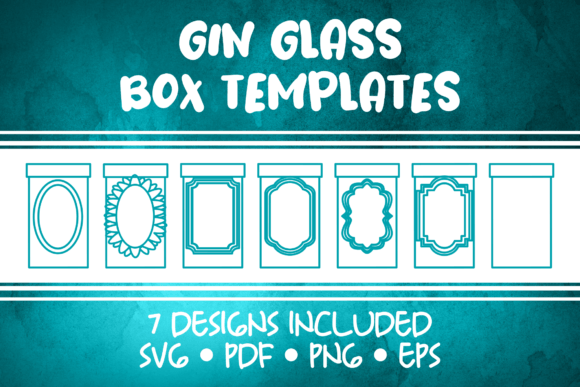
Gin Glass Box Template: A Maker’s Design Review
As a professional embroidery designer and product reviewer, I approach every new digital asset with a specific question: will this actually work in a real-world production environment? When evaluating the Gin Glass Box Template, my focus shifts immediately from the screen to the cutting mat and the embroidery hoop. This is not merely a decorative graphic; it is a functional structural component intended for 3D construction. For Etsy sellers, craft business owners, and makers specializing in personalized gifts, the viability of this template depends entirely on how well it translates from a digital 3D SVG into a tangible, sturdy gift box that can withstand handling and presentation.
First Impressions and Structural Integrity
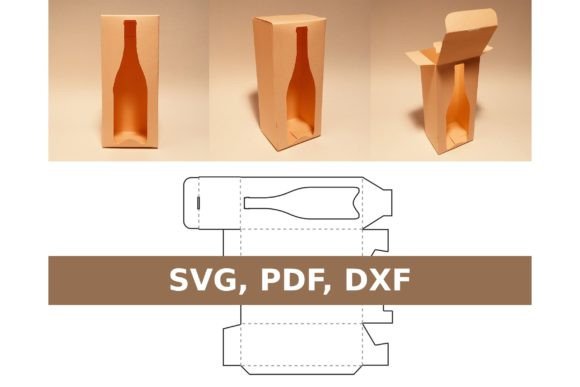
Upon opening the file, the first thing I assess is the balance between aesthetic appeal and engineering. The Gin Glass Box Template is designed to accommodate glassware up to 12.5cm in width and 22cm in height. From a design perspective, these dimensions are generous, suggesting the template is intended for premium or oversized artisan gin glasses rather than standard tumblers. The mood of the design is sophisticated yet utilitarian, striking the right note for adult beverage gifting. As a machine embroidery design foundation, it offers ample negative space for customization without compromising the structural fold lines essential for Gift Boxes.
The visual personality of this template feels clean and intentional. It avoids excessive ornamentation that could interfere with assembly, which is a common pitfall in lesser-quality 3D SVG files. For a handmade product creator, this restraint is valuable. It allows the embroidery or vinyl application to shine without fighting against complex die-cut shapes. The layout suggests a professional finish, making it suitable for boutique branding or high-end holiday embroidery projects where perceived value drives sales.
Real-World Application: Customizing for Client Orders
To truly test this template, I envision a specific scenario: creating a branded unboxing experience for a local distillery client. They need a reusable presentation box for their signature crystal coupe glasses. In this context, the Gin Glass Box Template serves as the canvas for both structural integrity and brand storytelling. I would utilize the flat panels before assembly to apply a satin stitch logo or a monogram using an applique design technique. Because the template accounts for a 22cm height, there is significant vertical real estate available for running stitch text or decorative fill stitch borders that frame the glass without touching it.
For Etsy sellers focusing on personalized gifts, this template offers versatility beyond just gin. During my review, I noted that the dimensions could easily house luxury candle sets, rolled tea towels, or even baby bottles for a unique nursery gift. However, when adapting the design for custom apparel accessories or smaller items, one must be cautious. While the description notes the design can be scaled up or down in your machines, altering the size of a 3D structural file requires mathematical precision. Scaling down by 20% doesn't just shrink the art; it changes the tab-and-slot tolerances. If you scale this for a smaller project, you must physically prototype the fit before committing to expensive cardstock or fabric-backed stabilizer.
Material Considerations and Stitch Performance
A critical aspect of reviewing any embroidery file for packaging is understanding substrate interaction. Paper and cardstock behave differently than woven fabrics. When applying machine embroidery to the Gin Glass Box Template materials, stitch density becomes the primary concern. Standard embroidery files often have densities optimized for cotton or denim. On paper or thin cardstock, a dense fill stitch can act like a perforation line, causing the box to tear during folding.
I strongly recommend testing the design on scrap material first. If you are adding embroidered accents to this box, reduce the stitch density or switch to lighter running stitch motifs. For those using this as a base for applique design, ensure the tack-down stitches are secure but not so tight that they warp the box walls. Fabric texture also plays a role; if you are laminating fabric onto the cardstock for a textile-finish box, choose smooth weaves. Textured fabrics like linen can add bulk to the fold lines, preventing the box from closing flush. This attention to detail separates professional commercial embroidery outputs from amateur crafts.
Navigating Technical Constraints and Hoop Sizes
While the Gin Glass Box Template provides excellent dimensions for the finished product, makers must verify their equipment limitations. A box panel spanning 12.5cm width may exceed standard 4x4 hoop sizes. Before purchasing or stitching, confirm your hoop size capabilities. If your machine cannot handle the full panel in one hooping, you will need to plan for alignment marks or split the design elements strategically. This is particularly relevant for small shop product creators who may be working with entry-level multi-needle or single-needle machines.
Furthermore, consider the stabilizer requirements. Unlike sweatshirt embroidery or tote bag design where the fabric provides support, box templates rely on the rigidity of the base material. Using a heavy-duty tear-away or specialized paper stabilizer is often necessary to prevent puckering during the stitching process. Always check thread colors against the box material; high contrast threads show imperfections more readily on rigid surfaces than on forgiving textiles. For dark fabric or dark cardstock backgrounds, ensure your digitizing includes adequate underlay to prevent the box color from bleeding through light thread stitches.
Commercial Viability and Professional Presentation
For creative entrepreneurs and digital product sellers, the value of this template extends to its presentation potential. A well-executed Gin Glass Box Template elevates the perceived value of the contents. In my experience, customers associate structural precision with product quality. If the tabs align perfectly and the embroidery sits flat without warping, buyer engagement and trust increase significantly. This makes the template an excellent asset for printable mockups and digital previews, allowing sellers to showcase potential customizations before physical production.
However, users must exercise diligence regarding licensing. Before listing any finished product derived from this 3D SVG, verify whether the license permits commercial sale of physical items versus digital redistribution. This distinction is vital for Etsy sellers and apparel decorators expanding into merchandise packaging. Additionally, while the template fits specific dimensions, always measure your actual inventory. Glassware manufacturing tolerances vary, and a 12.5cm internal width leaves little margin for error with hand-blown glass. Measure twice, stitch once.
Designer Notes for Successful Execution
Based on my evaluation, here are practical takeaways for integrating the Gin Glass Box Template into your workflow:
- Prototype First: Never run a final version without a paper test cut to verify slot fitment, especially if scaling the 3D SVG.
- Adjust Density: Manually reduce stitch density for paper applications to prevent structural failure.
- Verify Dimensions: Confirm your specific glassware fits within the 12.5cm x 22cm parameters before bulk production.
- Check Licensing: Ensure your usage rights cover commercial embroidery and physical product sales.
- Stabilize Correctly: Use appropriate backing for rigid substrates to maintain box geometry.
- Mockup Testing: Test designs in black and white to evaluate contrast and clarity before committing to color thread.
The Gin Glass Box Template represents a strong intersection of form and function for the serious maker. It provides a reliable foundation for personalized gift packaging, provided the user respects the technical nuances of embroidering on structural materials. By approaching this design with a tester’s mindset—validating fit, adjusting density, and verifying commercial terms—you transform a simple digital file into a premium asset that enhances your brand’s reputation for quality craftsmanship.