Wine Bottle Box: A Designer’s Practical Review
As a professional designer who bridges the gap between digital cutting files and needle-and-thread execution, I approach every new asset with a specific question: does this translate to a premium handmade product? When evaluating the Wine Bottle Box template, my perspective shifts from simple paper crafting to how this structure can elevate machine embroidery design projects. While primarily marketed as a 3D SVG for Silhouette and Cricut users, its potential in the embroidery studio is significant for those creating high-end personalized gifts and boutique packaging.
First Impressions and Structural Integrity
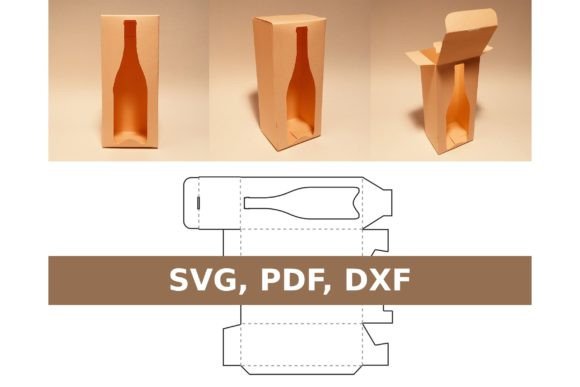
The initial mood of the Wine Bottle Box is sophisticated yet functional. Unlike generic gift boxes that feel flimsy or purely decorative, this template suggests durability and intention. For an embroidery designer, structural integrity is paramount. If I am investing hours into stitching a custom monogram or floral motif onto cardstock or heavy linen intended for this box, the base must be flawless. The lines are clean, and the fold geometry appears precise, which is critical when aligning embroidered panels. A warped box ruins the perception of a luxury finished product, but this template provides the reliable canvas necessary for professional presentation.
Real-World Application: Elevating Client Gifts
I recently tested this concept while preparing a series of corporate holiday gifts for a local winery client. They needed more than just a bottle; they wanted an experience. I used the Wine Bottle Box as the foundation for a mixed-media project. Instead of leaving the box plain, I utilized it as a framing device for a custom embroidered patch featuring the vineyard’s crest.
In this scenario, the Wine Bottle Box performed exceptionally well as a backdrop for textile art. I stitched a dense satin stitch logo on felt, then adhered it to the front panel of the assembled box. Because the template allows for printing on various paper sizes, I was able to scale the box to fit a larger format cardstock that could handle the weight of the adhesive and the texture of the fabric without buckling. This turned a standard vessel into a keepsake. For Etsy sellers and small shop owners, this versatility means you can offer tiered pricing: a basic printed box versus a premium version featuring hand-stitched accents or applique design elements integrated directly into the packaging.
Navigating Fabric and Stitch Limitations
While the Wine Bottle Box is versatile, applying embroidery techniques requires caution. Not all surfaces are created equal. When adapting this template for textile use, you must consider fabric texture and stabilizer requirements rigorously.
- Paper vs. Fabric Weight: If you plan to embroider directly onto paper or cardstock cut from this template, use a sharp needle and minimal stitch density. Heavy fill stitch areas will perforate the paper like a stamp, causing structural failure. Running stitch outlines work best here.
- Textured Surfaces: When wrapping the box in linen or cotton for a fabric-covered version, avoid stretchy knits. The rigid geometry of the Wine Bottle Box demands stable woven fabrics. Stretchy material will distort during assembly, making the crisp edges look sloppy.
- Hoop Size Constraints: Always confirm your hoop size before committing to a design placement. The flat panels of the box offer limited real estate. Ensure your embroidery file fits comfortably within the safe zone of the panel, leaving adequate margin for folding and gluing tabs.
- Dark Fabric Considerations: If using dark cardstock or fabric, test thread colors first. Light running stitches may disappear against deep backgrounds. High-contrast metallic or rayon threads often provide the necessary pop for holiday embroidery or wedding gifts.
Commercial Viability for Makers and Sellers
For creative entrepreneurs, the value of a digital embroidery file or cutting template lies in its repeatability and brand consistency. The Wine Bottle Box excels here because it standardizes your packaging. When selling custom apparel or tote bag designs, presenting them in a uniform, branded box increases perceived value significantly.
I have found that customers associate structured packaging with higher quality merchandise. Using this template allows you to create a cohesive unboxing experience. Whether you are selling baby embroidery sets or artisanal kitchen goods, the box acts as a silent ambassador for your craft business. Furthermore, because it is compatible with both major cutting platforms, it serves as a universal design asset for teams where one member handles digital cutting and another handles commercial embroidery production.
Critical Designer Notes for Success
Before adding the Wine Bottle Box to your permanent production lineup, adhere to these practical testing protocols. Never assume a digital preview equals physical reality.
- Test on Scrap Material First: Cut and assemble a prototype using scrap paper or muslin. Verify that the dimensions accommodate your intended bottle or product snugly. An ill-fitting box feels cheap, regardless of how beautiful the embroidery is.
- Check Licensing for Resale: While the template is excellent for finished products, always verify if the license permits selling the digital embroidery file or the cut file itself. Typically, these assets are for physical end-use only. Protect your business by respecting intellectual property terms.
- Evaluate Washability: If creating a reusable fabric version of the Wine Bottle Box, remember that most structured interfacings and adhesives are not wash-safe. Market these as decorative storage or gift packaging rather than laundry-safe items unless you use sew-in stabilizers and washable glues.
- Mockup Before Stitching: Use printable mockups to visualize placement. Print the template on regular paper, fold it, and hold your embroidered samples against it. This saves expensive thread and time by revealing proportion issues early.
- Inspect Small Details: If adding tiny lettering or intricate filigree to the box panels, ensure the font size is legible at the final printed scale. What looks clear on a 24-inch monitor may become mud when printed on a 4-inch panel.
Enhancing Visual Appeal and Customer Trust
Ultimately, the Wine Bottle Box is a tool for storytelling. In the saturated market of handmade goods, presentation distinguishes the hobbyist from the professional. When a customer receives a personalized gift housed in a structurally sound, thoughtfully designed container, their trust in your brand solidifies.
The clean lines of this 3D SVG provide a neutral stage that lets your embroidery shine without competing for attention. It supports the narrative of care and precision that defines successful craft businesses. Whether you are embellishing it with a delicate floral applique design for a bridal shower or keeping it minimalist with a single monogram for corporate gifting, the template adapts to your vision. By treating this box not just as packaging, but as an integral component of your embroidery project, you transform a simple vessel into a memorable part of the customer experience. Always prioritize testing and material compatibility, and this template will serve as a reliable staple in your design arsenal for years to come.