House Gift Box: A Designer’s Practical Review
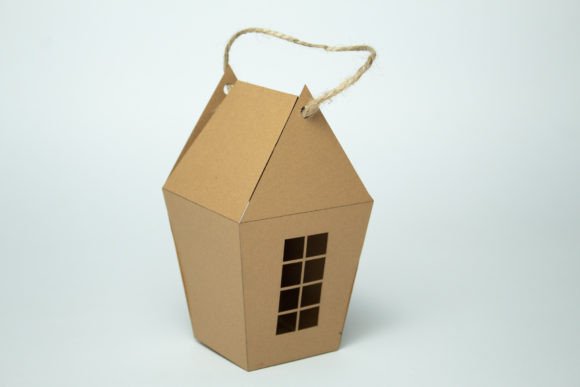
As a professional embroidery designer and product reviewer, I approach every new digital asset with a critical eye. When evaluating the House Gift Box template, my first thought isn't just about how cute it looks on a screen, but how it will actually perform under the needle. This design falls into the Home Décor category and is provided as a 3D SVG, which immediately suggests structural potential beyond standard flat embroidery. For makers, Etsy sellers, and small business owners, understanding the translation from digital file to finished product is where profit and customer satisfaction live. My initial impression of this design is one of charming versatility; it carries a nostalgic, cottage-core aesthetic that feels warm and inviting without being overly juvenile. The lines appear clean enough for stitching, yet detailed enough to create visual interest when assembled into a three-dimensional form.
Real-World Application: Stitching for Holiday Gifting
To truly test the viability of the House Gift Box, I mentally placed it in a specific production scenario: creating personalized holiday gift packaging for a boutique candle line. In this real-life case, the goal was to elevate a simple jar candle into a premium handmade product using an embroidered fabric box rather than disposable paper wrapping. This is where the 3D SVG format shines. Unlike a standard machine embroidery design meant solely for apparel, this template serves as both a decorative element and a functional container.
When planning this project, I considered how the satin stitch borders would define the fold lines necessary for assembly. If the stitch density is too high, the fabric might pucker or become too rigid to fold cleanly. Conversely, if the running stitch guidelines are too faint, aligning the panels during construction becomes frustrating. For this candle gift set, I envisioned using a natural linen base with deep red and forest green thread colors. The texture of the linen adds a tactile quality that complements the house motif, making the finished product feel like a keepsake rather than temporary packaging. Customers receiving this would likely perceive higher value because the packaging itself is a reusable embroidered patch or mini pouch, enhancing brand recognition and encouraging repeat business.
Navigating Fabric Choices and Technical Constraints
While the House Gift Box offers immense creative freedom, it requires careful material selection. Not every fabric is suitable for a structured 3D embroidery project. I advise caution when working with stretchy knits or thin sheers. These materials lack the stability required to hold a box shape, even with heavy stabilizer. Instead, opt for medium-weight woven fabrics like cotton canvas, denim, or upholstery linen. These substrates provide the necessary foundation for both the embroidery and the structural integrity of the final box.
Detailed corners and tiny lettering are common pain points in complex designs. Before committing to a full production run, you must inspect the digital embroidery file closely. If the house features intricate window panes or shingles rendered in dense fill stitch, these areas can become bulletproof and difficult to manipulate during assembly. On dark fabrics, ensure there is adequate contrast or an underlay strategy to prevent the base fabric from showing through lighter threads. Additionally, consider the hoop size limitations. A 3D object often requires stitching multiple panels separately. Verify that your machine’s maximum embroidery area accommodates the individual faces of the box without requiring excessive re-hooping, which increases margin for error.
- Avoid Stretch Fabrics: Knits and jersey materials will distort the box shape and cause registration issues during assembly.
- Mind the Density: Overly dense satin stitches on fold lines can crack or fray; test flexibility before mass production.
- Check Small Details: Ensure tiny text or architectural elements remain legible at the intended scale.
- Stabilizer Strategy: Use cut-away stabilizer for permanent structure or tear-away for lighter weight fabrics, depending on the desired rigidity.
Elevating Product Value and Brand Perception
The true power of the House Gift Box lies in its ability to transform a standard transaction into a memorable unboxing experience. For Etsy sellers and craft business owners, differentiation is key. Using this design as a custom apparel tag, a unique baby embroidery keepsake box, or a specialized jewelry holder signals professionalism and attention to detail. It moves beyond generic tote bag design or sweatshirt embroidery into the realm of bespoke artistry.
From a commercial embroidery perspective, this template allows for tiered pricing. A plain candle sells for one price; a candle housed in a custom-embroidered, reusable house box commands a premium. The visual appeal of the 3D structure catches the eye in craft fair displays and printable mockup listings far better than flat images. However, trust is built on execution. A poorly aligned box with gaping seams or puckered fabric will hurt your reputation. The design must be stitched with precision, ensuring that all panels meet perfectly. This level of quality assures buyers that they are purchasing a genuine handmade product worth the investment.
Critical Pre-Production Checklist for Makers
Before you list this item in your shop or gift it to a client, rigorous testing is non-negotiable. As a reviewer, I cannot stress enough the importance of validating the technical specs provided in your download. Since the product includes SVG, PDF, and EPS formats along with detailed instructions, you have the resources to succeed, but you must verify compatibility with your specific equipment.
- Test on Scrap Fabric First: Never stitch the final version without a prototype. Check how the fabric behaves after washing and folding.
- Verify Licensing: Confirm whether your purchase allows for commercial use of the finished physical product versus selling the digital embroidery file itself. This distinction protects your business legally.
- Mockup Validation: Create black and white mockups to assess contrast and readability independent of color. This helps identify potential visibility issues on various backgrounds.
- Thread Color Planning: Test thread colors against your chosen fabric in natural and artificial lighting. Digital screens often misrepresent how metallic or variegated threads interact with textured surfaces.
- Assembly Dry Run: Cut out the printed PDF template and tape it together before embroidering. This confirms the dimensions work for your intended contents and reveals any fit issues early.
Ultimately, the House Gift Box is more than just a seasonal decoration; it is a versatile asset for creative entrepreneurs. Whether used for holiday embroidery, wedding favors, or boutique branding, its success depends on thoughtful application. By respecting the technical requirements of stitch density, fabric texture, and assembly mechanics, you can turn this digital template into a tangible symbol of quality craftsmanship. Always prioritize the user experience of the recipient and the practical realities of your embroidery machine, and this design will serve as a cornerstone of your handmade product lineup.