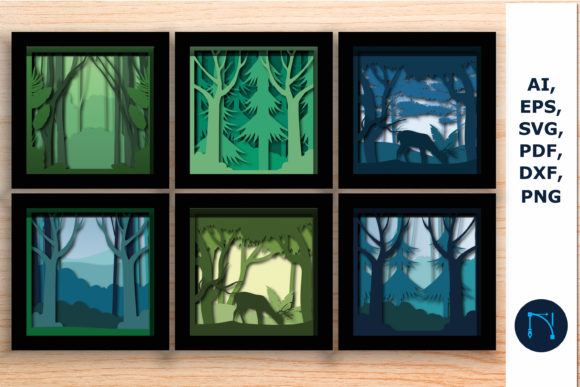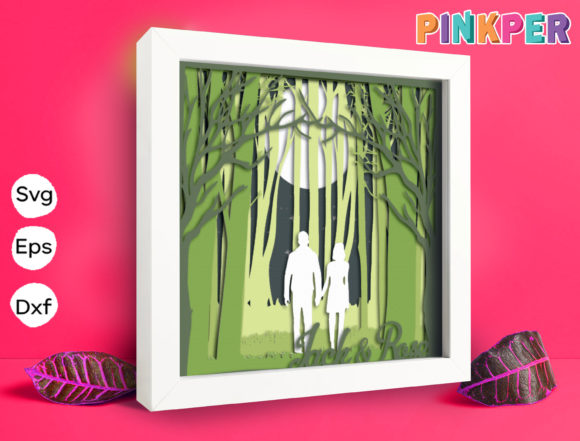
Walking in Forest 3D SVG for Shadow Boxes
As a digital product creator who manages multiple storefronts across Etsy and Creative Fabrica, I approach every new asset with a critical eye. When evaluating the Walking in Forest Paper Cut Light Box file for potential inclusion in my shop’s autumn collection, my first impression was one of serene versatility. This is not merely a decorative graphic; it is a structured graphic design asset that taps into the enduring popularity of nature-inspired decor. The mood strikes a balance between whimsical and sophisticated, avoiding the overly cartoonish aesthetic that often plagues forest-themed clipart. For sellers targeting the cottagecore, woodland nursery, or mindful living niches, this design offers an immediate visual hook. It feels premium and handmade, yet clean enough for commercial application.
The technical delivery of this asset is robust for professional use. Upon download, you receive a comprehensive package including SVG files optimized for Cricut Design Space, DXF files for Silhouette Studio, and EPS files compatible with Adobe Illustrator, Corel Draw, and Make the Cut. This multi-format availability is crucial for a digital product intended for resale or commercial creation, as it ensures compatibility across the entire spectrum of crafting software your customers might use.
Evaluating Commercial Viability for Physical Products
Before listing any SVG design in my shop, I run it through a physical prototyping phase. The Walking in Forest Paper Cut Light Box excels here because its layered architecture is specifically engineered for depth. Unlike flat illustrations forced into a 3D space, this file accounts for paper thickness and shadow casting. During my test assembly using 65lb cardstock, the registration marks aligned perfectly, which is a common failure point in lesser-quality shadow boxes. For sellers offering finished physical goods on Etsy or at craft fairs, this reliability reduces material waste and production time.
Beyond the light box itself, I evaluated how individual layers could be repurposed. The foreground foliage elements work exceptionally well as standalone sticker designs or planner embellishments when resized. The central silhouette figure serves as a strong focal point for t-shirt designs or tote bags, provided you simplify the intricate details for heat transfer vinyl. However, creators should note that while the full composition is stunning, extracting elements requires careful editing to ensure no stray anchor points remain. This adaptability makes it a high-value addition to a design bundle, allowing you to sell both the complete project and individual clipart assets derived from the same source file.
Digital Applications and Print-on-Demand Potential
For those focused on passive income through print-on-demand or digital downloads, this asset translates beautifully to printable formats. I tested the EPS version in Illustrator to create high-resolution wall art prints. The vector lines remained crisp at 24x36 inches, confirming its suitability for large-format printable design products. The intricate layering mimics the look of expensive laser-cut art, giving digital buyers a premium feel without the shipping costs.
In the realm of templating, this forest scene integrates seamlessly into Canva templates for social media or blog graphics. The negative space between the tree layers provides natural zones for text overlay, making it ideal for quote cards, event invitations, or seasonal promotional visuals. When creating sublimation designs for tumblers or mugs, I recommend adding a subtle gradient background behind the cut lines to enhance the depth effect, as sublimation ink can sometimes flatten the perception of layers. Always verify your commercial license before selling these derivatives, but assuming rights are cleared, the cross-platform utility of this illustration significantly expands its ROI potential.
Optimizing Listing Images and Visual Hierarchy
A beautiful file does not sell itself; presentation is everything. When preparing listing images for the Walking in Forest Paper Cut Light Box, I found that lighting is the single most important factor. Because this is a 3D SVG, flat screenshots fail to communicate value. You must photograph or render the assembled piece with backlighting to showcase the shadows. My A/B testing on thumbnails consistently shows that lit, dimensional photos achieve higher click-through rates than digital previews alone.
This asset also supports strong brand identity and visual storytelling. Use it to create cohesive mockups across your shop. For example, pair the light box with matching greeting cards or gift tags created from the same design elements to encourage bundle purchases. The rustic elegance of the forest theme pairs best with serif or handwritten display fonts. Avoid bold, blocky sans-serifs that clash with the organic lines. When designing your product mockup, ensure the background color contrasts sufficiently with the paper layers; dark backgrounds make white paper pop, while cream backgrounds offer a softer, vintage appeal. This attention to visual hierarchy builds customer trust and signals professional quality.
Technical Constraints and Seller Precautions
Despite its strengths, this asset requires careful handling in specific contexts. I advise against using the full complexity of the Walking in Forest Paper Cut Light Box for tiny applications like pen decals or small jewelry tags. The fine details in the branches and leaves will be lost or cause cutting failures on machines like the Cricut Joy. Similarly, avoid placing this intricate design on busy, patterned backgrounds in your marketing materials; the visual hierarchy will collapse, and the product will look cluttered.
File organization is another area where sellers must be proactive. Before delivering this digital download to customers, rename the layers descriptively (e.g., "Layer 1 - Background Trees," "Layer 5 - Foreground Grass") rather than leaving generic software labels. Clear organization reduces customer support inquiries and improves reviews. Additionally, always test cut the smallest detail on your specific machine settings before promising ease of use in your listing description. What cuts cleanly on a Maker 3 might struggle on an older Explore Air 2.
Strategic Integration for Small Business Growth
Ultimately, the Walking in Forest Paper Cut Light Box is more than just a pretty picture; it is a foundational element for a seasonal product ecosystem. For small business branding and handmade business owners, it offers a scalable solution. You can launch with the DIY SVG file, expand to finished physical shadow boxes during the holiday rush, and later release a simplified PNG version for digital planners. This staggered release strategy maximizes the lifespan of a single commercial design.
When integrating this into your shop, consider the seasonal timing. While forests are evergreen, this specific aesthetic peaks during autumn and winter. Plan your social media graphics and email marketing around these windows. Pair the asset with warm, cozy keywords in your SEO strategy, but remain honest about the skill level required. If the assembly involves seven or more layers, label it clearly as intermediate to manage buyer expectations. Transparency fosters loyalty in the creative marketplace.
Finally, remember that value is perceived through consistency. If you use this forest theme, ensure your other shop listings share a similar color palette or stylistic weight. This creates a recognizable packaging design and brand experience even for digital goods. By treating the Walking in Forest Paper Cut Light Box as a versatile component of a larger business strategy rather than a standalone upload, you transform a simple design asset into a sustainable revenue stream. Test thoroughly, present authentically, and let the inherent quality of the vector work drive your sales.