Valentine Sweet Heart V.3: A Designer’s Review
As a professional embroidery designer and product reviewer, I approach every new asset with a critical eye toward production viability. When evaluating Valentine Sweet Heart V.3, my primary focus is not just the aesthetic appeal of the heart shape, but how this digital file translates into a tangible, high-quality stitched product. This design falls under the Shapes category and is marketed as a 3D SVG, suggesting depth and dimension that must be carefully managed during the digitizing and stitching process. For Etsy sellers, apparel decorators, and makers preparing for the Valentine’s rush, understanding the practical behavior of this design is essential for maintaining brand reputation and minimizing production waste.
First Impressions and Visual Personality
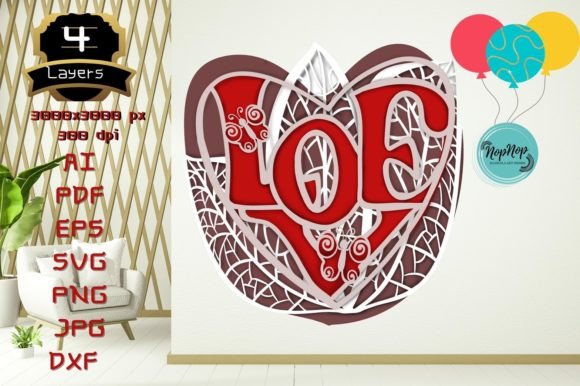
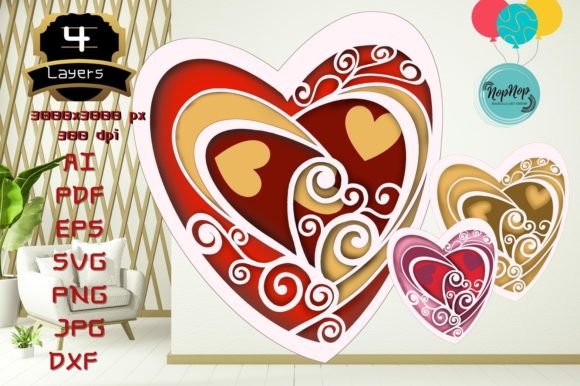
Upon opening the archive, which includes DXF, SVG, AI, EPS, PDF, JPG, and PNG files, the first thing that stands out is the versatility of the source art. The 3000x3000 artboard size provides ample resolution for scaling without pixelation, which is crucial when creating printable mockups or large-format transfers. However, as an embroidery specialist, I immediately look at the lines and curves. A "Sweet Heart" implies softness and rounded edges. In embroidery, achieving smooth curves on a heart shape requires precise node placement to prevent jagged edges in the final stitch-out.
The mood of Valentine Sweet Heart V.3 leans towards classic romance rather than modern minimalism. This visual personality dictates its best applications. It feels appropriate for traditional holiday embroidery, nursery decor, and sentimental gifts. The 3D aspect suggests shading or layering that can add significant perceived value to a handmade product, provided the digitizer has accounted for fabric push-and-pull distortion. If you are planning to use this for a boutique collection, the design carries enough weight to serve as a centerpiece on a sweatshirt or tote bag without needing excessive additional embellishment.
Real-World Application: The Custom Sweatshirt Test
To truly evaluate this asset, I mentally placed Valentine Sweet Heart V.3 onto a heavyweight cotton fleece sweatshirt, a staple for small shop products during February. In this scenario, the design serves as the primary focal point on the chest or back yoke. Because fleece has a textured surface and significant loft, the 3D elements of this SVG need to be translated into embroidery with adequate underlay and density.
If I were producing this for a client, I would treat this as a potential applique design candidate. The solid shapes inherent in a heart design make it ideal for fabric applique, which reduces stitch count and prevents the stiff, bulletproof feeling that often plagues large fill areas on apparel. Using Valentine Sweet Heart V.3 as a guide for cutting fabric pieces allows for vibrant color blocking using physical textiles rather than relying solely on thread. This approach enhances the tactile quality of the custom apparel and aligns perfectly with current market trends favoring mixed-media textures. For a tote bag design, however, where the canvas is flatter and more stable, a full satin or fill stitch interpretation might better capture the intended 3D illusion without the bulk of applique layers.
Technical Considerations and Fabric Limitations
While the vector files provide clean lines, the transition to needle and thread introduces variables that every maker must respect. When working with Valentine Sweet Heart V.3, specific fabrics demand caution. Stretchy knits and performance wear are high-risk substrates for detailed heart shapes. Without proper stabilization, the curved edges will distort, turning a sweet heart into a lopsided blob. I always recommend testing on scrap fabric that matches your production garment exactly before committing to a final run.
Small hoop sizes present another challenge. If you intend to scale this design down for baby embroidery or sleeve cuffs, verify that the internal details remain distinct. Complex 3D shading often gets lost or turns into muddy stitch clusters when reduced below three inches. Conversely, on dark fabrics, ensure your digitized version includes sufficient edge definition; otherwise, the heart may visually disappear into the background material. For items requiring frequent washing, such as kitchen towels or baby bibs, avoid overly dense decorative accents within the heart that could trap moisture or cause premature wear. Always confirm whether your specific embroidery file conversion maintains structural integrity at your desired size.
Elevating Product Value and Customer Trust
Using a well-executed design like Valentine Sweet Heart V.3 directly impacts buyer engagement. Customers associate crisp, clean embroidery with professionalism. A heart shape is deceptively simple; any flaw in tension, registration, or outline alignment is immediately visible because the human eye knows what a heart should look like. Delivering a flawless execution builds trust in your craft business.
Furthermore, the inclusion of high-resolution PNG and JPG files in the package supports better marketing. You can create accurate digital previews for your Etsy listings before stitching a single sample. This capability is invaluable for testing market interest. However, transparency is key. If you use the digital art for mockups, ensure the final embroidered product matches that level of detail. Discrepancies between the pristine vector art and a poorly digitized stitch-out lead to returns and negative reviews. Consistency between your digital assets and physical output reinforces brand reliability.
Essential Designer Notes for Production Success
Before loading Valentine Sweet Heart V.3 into your machine software, adhere to these practical checkpoints to ensure commercial-grade results:
- Verify Licensing: Confirm whether the license permits selling finished physical products versus digital files. Never assume commercial rights extend to reselling the embroidery file itself.
- Stabilizer Selection: Match stabilizer weight to both the fabric and the design density. A 3D-style heart likely requires cutaway stabilizer on knits to maintain shape permanence after washing.
- Thread Color Contrast: Test thread colors against your base fabric. Subtle shading in the original art may require blending multiple thread shades to replicate the 3D effect effectively.
- Mockup Validation: Use the included PNG files to create black-and-white contrast tests. This reveals whether the design relies too heavily on color differentiation rather than value contrast for readability.
- Hoop Size Confirmation: Ensure your chosen hoop accommodates the design with at least a half-inch safety margin. Crowding the hoop edges causes tension issues that ruin curved shapes.
- Detail Inspection: Zoom in on the vector paths. If converting to stitches yourself, simplify nodes where possible to reduce machine travel time and improve stitch flow.
Making Informed Creative Decisions
Valentine Sweet Heart V.3 offers a robust foundation for seasonal collections, personalized gifts, and commercial embroidery projects. Its strength lies in its clean geometry and versatile file ecosystem, supporting everything from initial concepting to final production. However, success depends entirely on the maker's willingness to adapt the design to the realities of textile manufacturing. By respecting fabric limitations, validating stitch parameters, and leveraging the provided digital assets responsibly, you can transform this shape into a profitable, high-quality addition to your product lineup. Remember that in embroidery, the most beautiful screen image is only a blueprint; the true test is always in the hoop.