Paper Cut 4th of July Door Hanger Review
As a professional embroidery designer and product reviewer, I approach every new digital asset with a specific question: will this actually stitch out beautifully on a finished product, or is it just a pretty screen image? When evaluating the Paper Cut 4th of July Door Hanger, my focus shifts immediately from the digital preview to the tactile reality of thread and fabric. This design, categorized under Shapes and formatted as a 3D SVG, presents a unique opportunity for crafters and small business owners. However, translating a paper-cut aesthetic into a machine embroidery design requires careful consideration of stitch density, stabilizer choices, and end-use application. My review below breaks down how this digital embroidery file performs in real-world scenarios, specifically for those creating commercial embroidery projects or personalized gifts.
Translating Paper Aesthetics to Thread
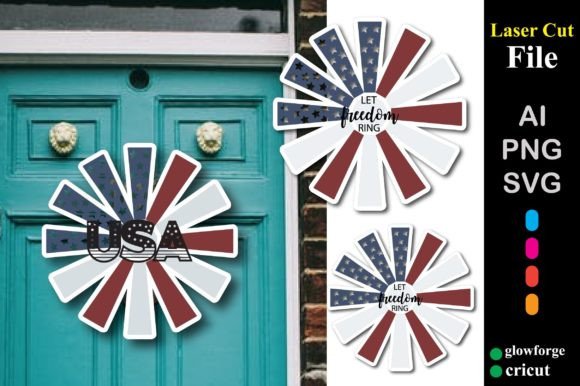
The first impression of the Paper Cut 4th of July Door Hanger is one of nostalgic Americana. The visual personality relies heavily on the interplay of positive and negative space, mimicking the layered depth of actual cardstock. For an embroidery project, this is both a strength and a challenge. Unlike standard fill stitch designs that rely on solid blocks of color, this style demands precision in registration. If you are planning to use this as an applique design, the cutting lines must be exact. If it is a straight stitch simulation, the running stitch outlines need to be bold enough to define the "paper" edges without looking like mere sketching.
In my assessment, this design naturally belongs on items that celebrate heritage and home. It evokes a mood that is less about loud fireworks and more about quiet, patriotic charm. This makes it ideal for boutique branding or high-end holiday embroidery where subtlety sells. The 3D SVG nature suggests depth, which means your digitizing or stitching strategy must account for shadow and layering to avoid a flat, lifeless result on fabric.
Real-World Application: The Custom Tote Bag Test
To truly judge the viability of this embroidery file, I mentally placed it onto a canvas tote bag intended for a Fourth of July market stall. Tote bags are a staple for any Etsy seller or handmade shop owner because they offer a large, stable canvas for complex designs. In this scenario, the Paper Cut 4th of July Door Hanger serves as a central focal point.
For a custom apparel or bag project, the windmill element within the door hanger shape acts as a natural anchor. On a natural cotton canvas, I would recommend using cream or off-white thread for the base "paper" layers to create texture contrast against the fabric, rather than relying solely on red and blue. This enhances the paper-cut illusion. As a tote bag design, the vertical orientation of the door hanger fits perfectly above the center seam. However, because this is a digital file meant for various uses, I also considered how it would scale down for baby embroidery on a bib or up for a sweatshirt embroidery placement. The intricate corners typical of paper-cut styles can become problematic at smaller sizes. If you are adapting this for a baby item, you may need to simplify internal details to prevent puckering or stiff stitching that could irritate sensitive skin.
Navigating Fabric Textures and Stabilizer Choices
A critical aspect of reviewing any machine embroidery design is understanding its limitations on difficult substrates. The Paper Cut 4th of July Door Hanger features detailed edges that mimic scissor cuts. These fine details are unforgiving on textured fabrics like terry cloth tea towels or slub linen. The "paper" edge effect will get lost in the nap of the fabric unless you use a water-soluble topping and a firm stabilizer underneath.
I advise extreme caution when using this design on stretchy knits for t-shirts. The structural integrity required to maintain the crisp lines of a paper-cut style often conflicts with the drape of jersey fabric. If you must use it on apparel, consider creating an embroidered patch first and then attaching it to the garment. This preserves the design's clarity and prevents the heavy stitch density from distorting the shirt. For dark fabrics, remember that this design likely relies on light-colored layers to simulate paper. You cannot simply change the thread color; you may need to add a white underlay or florentine stitch base to make the colors pop and maintain the intended 3D SVG effect.
Commercial Viability for Makers and Sellers
For creative entrepreneurs and digital product sellers, the value of this asset lies in its versatility. As a standalone digital embroidery file, it appeals to buyers looking for unique holiday decor that isn't generic clip art. However, if you are selling finished products, the presentation is everything. The clean lines of the Paper Cut 4th of July Door Hanger photograph exceptionally well, making it perfect for printable mockups and social media marketing.
From a business perspective, this design bridges the gap between traditional holiday embroidery and modern farmhouse aesthetics. It increases perceived product value because it looks engineered rather than slapped on. When listing items on Etsy or at craft fairs, emphasize the "layered" or "dimensional" quality of the stitch-out. Customers trust handmade products that show technical proficiency. A sloppy registration on a paper-cut design screams amateur, but a crisp execution signals professional-grade commercial embroidery. Always verify your licensing terms before selling, as digital files often have specific restrictions regarding mass production versus small-batch handmade sales.
Essential Designer Notes Before Stitching
Before you load this embroidery file into your machine for a client project or personal gift, run through this practical checklist to ensure success:
- Test on Scrap Fabric First: Never assume the digital preview matches the physical output. Stitch a sample on the exact fabric and stabilizer combination you intend to use for the final product.
- Verify Hoop Size Compatibility: Confirm that the design dimensions fit comfortably within your hoop with adequate margin for stabilization. Do not force a large design into a tight hoop area.
- Check Thread Color Contrast: Paper cut designs rely on value differences. Test your palette in black and white mode on your machine screen to ensure adjacent layers are distinguishable.
- Inspect Small Details: Zoom in on the digital file to check for tiny satin stitch columns or jump stitches that might cause issues. Edit out unnecessary trims if possible.
- Evaluate Washability: If this is for a kitchen towel or baby item, ensure the stitch type can withstand laundering. Dense fill stitches may shrink differently than the base fabric.
- Review Licensing: Since this is a digital download, double-check whether you are permitted to sell the physical embroidered item, the digital file itself, or both.
- Mockup Testing: Use the original watermark-free images to create realistic listings before you even stitch, to gauge customer interest and refine your product description.
Final Thoughts on Design Integrity
The Paper Cut 4th of July Door Hanger is a sophisticated addition to any embroiderer’s library, provided it is treated with the respect its detail level demands. It is not a quick-stitch design for last-minute rush orders; it is a deliberate choice for makers who want to showcase technical skill and artistic taste. Whether you are embellishing a nursery pillow cover, creating a signature sweatshirt for your shop, or designing a commemorative holiday gift, this shape offers a timeless appeal. By paying attention to stabilizer, fabric choice, and scale, you can transform this digital asset into a tangible heirloom that resonates with customers and celebrates the season with genuine craftsmanship. Remember, in the world of machine embroidery, the difference between a good design and a great finished product is almost always in the preparation and testing.