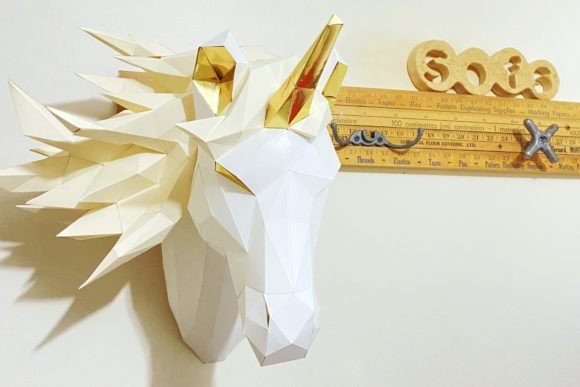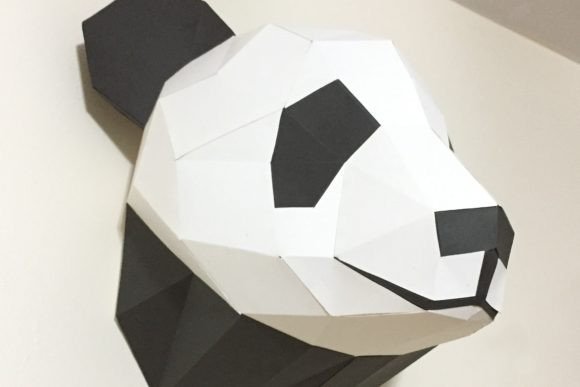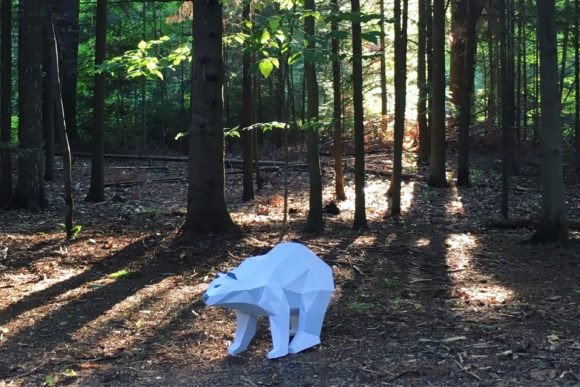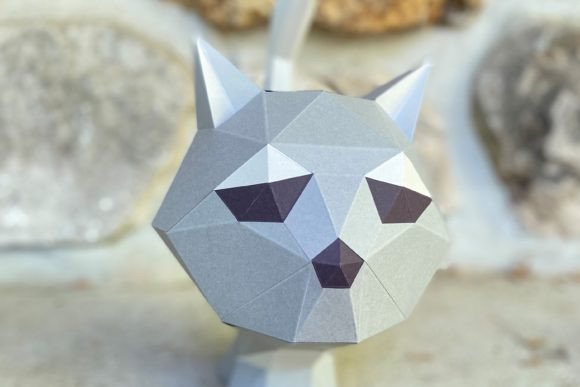
Dragon Head and Neck 3D SVG for Animals Content
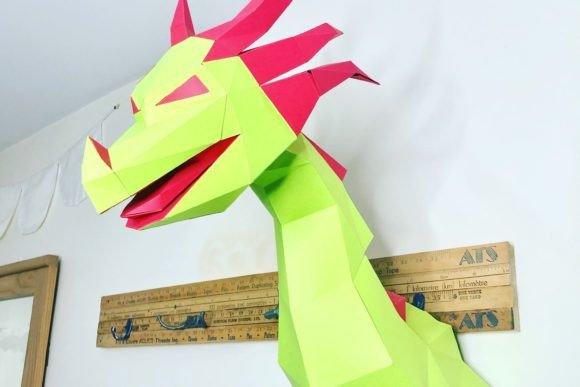
As a digital publisher and blog designer, I am constantly hunting for visual assets that break the monotony of standard stock photography. When reviewing the Dragon Head and Neck Paper Sculpture, my immediate reaction was one of editorial relief. In the saturated niche of fantasy, gaming, and creative hobbies, audiences are fatigued by generic AI-generated renders or overused clip art. This graphic design asset offers something distinctly tactile. It bridges the gap between traditional papercraft and modern web design, providing a textured, dimensional aesthetic that feels handmade yet polished enough for professional content marketing.
The mood this asset establishes is specific: it is whimsical without being juvenile, and intricate without being chaotic. For publishers in the Animals category—specifically those covering mythical creatures, tabletop gaming, or alternative home decor—this sculpture serves as a sophisticated visual anchor. Unlike flat vector illustrations, the implied depth of the paper layers creates natural shadows and highlights. This translates exceptionally well to screens, where flat designs can sometimes look cheap. The texture suggests effort and craftsmanship, which subconsciously signals to readers that the accompanying content is equally thoughtful and high-quality.
Elevating Editorial Layouts and Featured Images
In a real publishing workflow, the primary challenge is often creating a cohesive visual identity across multiple platforms. The Dragon Head and Neck Paper Sculpture excels here because its form is self-contained. As a featured image for a blog post about fantasy literature, DIY crafts, or unique pet accessories, it provides immediate context. The 3D SVG format is particularly valuable for designers who need scalability. Whether I am designing a massive website header or a compact category thumbnail, the lines remain crisp. This versatility is essential for maintaining brand identity across responsive breakpoints.
For Pinterest pin creation, this asset is a standout performer. Pinterest users respond to vertical imagery with clear focal points and rich textures. A paper sculpture naturally draws the eye because it mimics physical reality in a digital space. When used as the central element in a Pin, surrounded by negative space and bold typography, it promises a tangible experience. This is crucial for affiliate marketing or promoting digital products; the viewer believes there is a real, touchable outcome waiting for them. I have found that assets with this level of detail tend to outperform flat graphics in click-through rates because they spark curiosity about the construction process itself.
Strategic Applications for Digital Products and Lead Magnets
Beyond standard blog graphics, this template shines when repurposed for monetization and audience growth. If you are creating a digital guide on papercrafting, a lead magnet for a fantasy newsletter, or an eBook cover for indie authors, this sculpture provides instant authority. It moves beyond decoration to become a representation of value. For small business branding, using such a distinct visual helps differentiate your shop from competitors relying on public domain assets. It anchors your media kit and social media graphics with a proprietary feel that builds reader trust.
- Digital Guides: Use as chapter dividers or cover art to signal high production value.
- Newsletter Headers: Creates a consistent visual cue that subscribers recognize instantly in their inbox.
- Printable Design: Serves as an inspirational example for tutorials or pattern sales.
- Social Media Graphics: Provides a textured background element for Instagram carousels or TikTok thumbnails.
- Affiliate Content: visually demonstrates the quality of tools or materials being reviewed.
Optimizing Visual Hierarchy and Reader Engagement
Effective web design relies on guiding the reader’s eye, and the Dragon Head and Neck Paper Sculpture facilitates strong visual hierarchy. The directional flow of the neck naturally leads toward text placement areas. When designing a hero section, I can position the sculpture on the left or right, allowing the gaze to travel directly into the headline. This is far superior to centered, symmetrical images that often compete with copy. The organic curves of the paper layers soften the rigid grid of a website layout, making the reading experience feel more inviting and less corporate.
However, this asset requires careful handling to maintain its impact. It works best when given room to breathe. Placing it against a busy background or cluttering it with excessive iconography diminishes its sculptural quality. I recommend testing it against solid, muted tones that complement the paper color rather than clash with it. While it is perfect for creative niches, it may feel out of place in strictly corporate, financial, or medical content unless used metaphorically. Publishers must always align the visual tone with reader expectations; this asset screams creativity and imagination, so ensure your content delivers on that promise.
Publisher Notes: Technical Checks and Licensing
Before integrating this asset into a live site or commercial product, rigorous testing is non-negotiable. As a 3D SVG, file size can vary depending on complexity. Always optimize the code or export as a compressed PNG/WebP for web performance to avoid slowing down page load times. Test the visibility on mobile devices; intricate paper details can get lost at small sizes, so ensure the silhouette remains readable as a thumbnail. Contrast is another critical factor. If your site uses dark mode, verify that the paper texture doesn't disappear into the background. You may need to add a subtle drop shadow or glow to separate the sculpture from dark themes.
Typography pairing also demands attention. This asset has a handcrafted, organic energy. It pairs beautifully with elegant serifs for a storybook feel or clean sans-serifs for a modern tutorial look. Avoid overly decorative script fonts that might fight with the intricate lines of the sculpture. Finally, and most importantly, confirm the commercial license. Since this quality template is created by Sofs Design, you must adhere to their specific usage terms. Whether you are using it for a personal blog, a monetized affiliate site, or a paid digital download, ensuring you have the correct rights protects your business and supports the original creator. Proper licensing is the foundation of ethical publishing and long-term brand safety.
Ultimately, the Dragon Head and Neck Paper Sculpture is more than just a pretty picture; it is a functional tool for content creators. It solves the problem of generic visuals by offering texture, depth, and narrative weight. By treating it as a core component of your editorial design system rather than an afterthought, you elevate the perceived value of your entire platform. In a digital landscape dominated by fleeting trends, assets that evoke the permanence and care of physical craft will always command attention and foster deeper connections with your audience.